Recent Post
Couch Co Op Games On PS5 For Friends And Families ...
The PlayStation 5 has brought incredible graphical fidelity and lightning-fast loading speeds into modern living rooms. While online multiplayer options continue to dominate the gaming landscape, nothing quite matches the shared joy of local cooperative play. Gathering group members on the same sofa creates spontaneous laughter and memorable gaming moments that digital matchmaking simply cannot replicate.
The Value of Local Shared Screen Adventures
Sharing a physical space while tackling digital challenges strengthens social bonds among participants of all ages. Cooperative gaming requires real-time communication, collective strategy, and shared problem-solving skills to overcome obstacles. These shared interactive experiences frequently help decrease feelings of isolation by turning screen time into a highly collaborative family activity.
Modern game developers are increasingly recognizing the unique appeal of local cooperative mechanics on advanced hardware. The powerful architecture of the current console generation allows for seamless split-screen rendering without sacrificing visual performance. Families can enjoy smooth framerates and highly responsive controls while playing together on a single television display.
Top Accessible Choices for Family Gatherings
Finding a game that accommodates different skill levels can be challenging when organizing a casual family night. Ideal selections feature intuitive control schemes, colorful art directions, and low-pressure environments that welcome younger players. These accessible titles ensure that grandparents, parents, and children can participate equally without feeling overwhelmed by complex mechanics.
Immersive puzzle adventures and whimsical platformers serve as excellent introductory experiences for novice gamers. Many of these family-friendly options feature creative mechanics where players must actively assist one another to progress through the levels. This cooperative structure shifts the focus away from intense competition and emphasizes mutual support and team milestones.
Action and Strategy Options for Friendly Rivals
Groups looking for a more intense gaming session can explore tactical action titles and chaotic physics simulators. These experiences often introduce friendly competition alongside cooperative goals, forcing teams to coordinate under pressure. Successfully managing the chaotic gameplay requires constant verbal communication and quick split-second adjustments.
For players who prefer detailed narratives, role-playing games with local multiplayer features offer deep long-term engagement. To enhance the experience, using your personal Steam account can help you track global game updates and compare community achievements before buying console versions. Exploring expansive worlds together allows friends to distribute character roles, share valuable loot, and shape the story collectively.
Optimizing Your Living Room Hardware Layout
Enjoying local cooperative sessions requires proper physical preparation to ensure maximum comfort for all participants. Arranging seating options logically ensures everyone has an unobstructed view of the television screen during fast-paced segments. Additionally, keeping multiple controllers fully charged prevents unexpected interruptions during critical moments of the campaign.
The advanced haptic feedback features of modern controllers add an incredible layer of sensory immersion to local gameplay. Players can physically feel in-game environmental changes, subtle tension shifts, and rhythmic beats directly in their hands. Investing in a reliable local game library ultimately transforms your console setup into a thriving social hub for entertainment.

Who Would Win Deadpool or Wolverine Powers and Abilities Compared ...
The debate over who would emerge victorious in a battle between Deadpool and Wolverine has fascinated comic book enthusiasts for decades. Both characters possess extraordinary regenerative abilities that allow them to survive otherwise fatal injuries, making a definitive conclusion difficult to reach. By analyzing their unique combat styles, anatomical advantages, and psychological traits, we can determine how this iconic matchup would realistically play out.
The Nuances of Regenerative Healing Factors
While both combatants are famous for their ability to heal from any wound, the nature of their mutation differs significantly. Deadpool boasts a hyper-accelerated healing factor derived directly from Wolverine's genetic material, but it operates at an altered velocity because it is constantly fighting his aggressive cancer cells. This unique biological status allows him to regrow entire limbs and survive complete decapitation with relative ease.
Wolverine's cellular regeneration is deeply tied to his natural mutant physiology, allowing him to recover rapidly from extensive flesh wounds and severe burns. However, his system experiences continuous strain because it must constantly counteract the heavy metal poisoning caused by his skeleton. Despite this internal burden, his stamina remains virtually limitless during prolonged physical confrontations.
Anatomical Durability and Weaponry Distinction
The most defining physical attribute in this matchup is Wolverine's indestructible skeleton, which was artificially infused with rare adamantium alloy. This metallic enhancement ensures his bones cannot be broken by traditional physical force, providing him with unmatched defensive capabilities. His retractable claws can slice through almost any known substance, giving him an incredibly lethal offensive toolkit.
Deadpool counters this structural durability by utilizing a highly versatile arsenal of swords, firearms, and explosive devices. His standard equipment often includes dual katanas forged from carbonadium, a specialized material capable of slowing down an opponent's accelerated healing process. This tactical inclusion gives Wade Wilson a viable method to temporarily bypass Logan's legendary physiological defenses.
Combat Strategy and Psychological Warfare
Wolverine is a master martial artist with over a century of battlefield experience spanning multiple global conflicts. His fighting style relies on precise, aggressive strikes driven by finely tuned animalistic instincts and heightened sensory perceptions. When pushed to his absolute physical limits, he enters a berserker rage that maximizes his offensive output at the cost of tactical caution.
Deadpool approaches engagements with an unpredictable, chaotic methodology that deliberately disrupts his opponent's focus. His constant verbal banter functions as an intentional psychological tool designed to provoke mistakes from disciplined fighters. Furthermore, his self-awareness allows him to execute unconventional maneuvers that defy standard athletic logic, making him impossible to read in a traditional duel.
The Verdict on the Ultimate Survivor
In a standard encounter without external interference, this battle inevitably transforms into a grueling war of physical attrition. Deadpool's superior long-range capabilities and unpredictable swordplay would likely allow him to score early tactical advantages against his opponent. However, the structural absolute of an adamantium skeleton means that Deadpool cannot inflict a permanently disabling structural injury on Logan.
Ultimately, Wolverine's centuries of disciplined training and unyielding physical durability would allow him to outlast the mercenary. While Deadpool can recover from virtually any damage, the physical fatigue of constantly regenerating severed tissue would eventually slow him down. Logan would secure the victory by incapacitating Wade through precise dismemberment or temporary environmental containment.

Luigi's Mansion 3 Floor 2 Gems Guide for Finding Every Hidden Gem ...
Exploring the eerie upper floors of The Last Resort hotel in Luigi's Mansion 3 brings plenty of environmental brainteasers for dedicated completionists. The second floor, known as the Mezzanine, contains six hidden collectibles that require players to master their upgraded Poltergust G-00 functions. Unlocking each of these treasures rewards your thorough exploration and brings you closer to fully conquering the game.
Discovering the Ballroom and Kitchen Hidden Gems
The first collectible can be found hidden safely within the elegant dressing room area adjacent to the main ballroom floor. Players need to use the Poltergust vacuum functions to pull away the structural coats hanging on the far left rack. A hidden switch will reveal itself, allowing you to drop the sparkling gemstone directly into your inventory.
Moving forward into the kitchen area presents an entirely different environmental puzzle involving interactive food props. You will need to locate a stray block of cheese resting on the kitchen counters and throw it directly at a tiny mouse hole. The startled mouse will scurry out into the open, dropping a bright green gemstone for you to collect instantly.
Navigating the Entertainment Hallway and Restrooms
The third collectible requires a clever application of your companion mechanics within the upper corridors of the resort floor. While exploring the main entertainment hallway, players will notice a strange glowing sign shaped like a restaurant fork. Using the Suction Shot function on the nearby billboard reveals a hidden compartment containing the hidden treasure.
Further down the main hallway, players must step inside the public restroom area to solve a quick plumbing puzzle. You need to control Gooigi to slip through the wall pipes into the hidden drainage area on the left side of the room. Pulling the chain mechanism in this watery area unlocks the hidden stall door containing the blue prize.
Clearing the Final Areas in the Mezzanine
The fifth gemstone is located within the grand dining room area where the main boss encounter takes place. Players should focus on the large covered serving trays resting on the elaborate tables near the back wall. Using the plunger tool to flip the correct metal lid reveals a hidden collectible that completes most of your collection checklist.
The final collectible on the Mezzanine requires players to step out onto the exterior balcony area accessible via the main lounge windows. You must use the Dark-Light device to reveal a missing section of the flooring near the far right corner. Shining the light on this hidden space makes the final purple jewel materialize out of thin air.
Exploring Reward Experiences Across Different Platforms ...
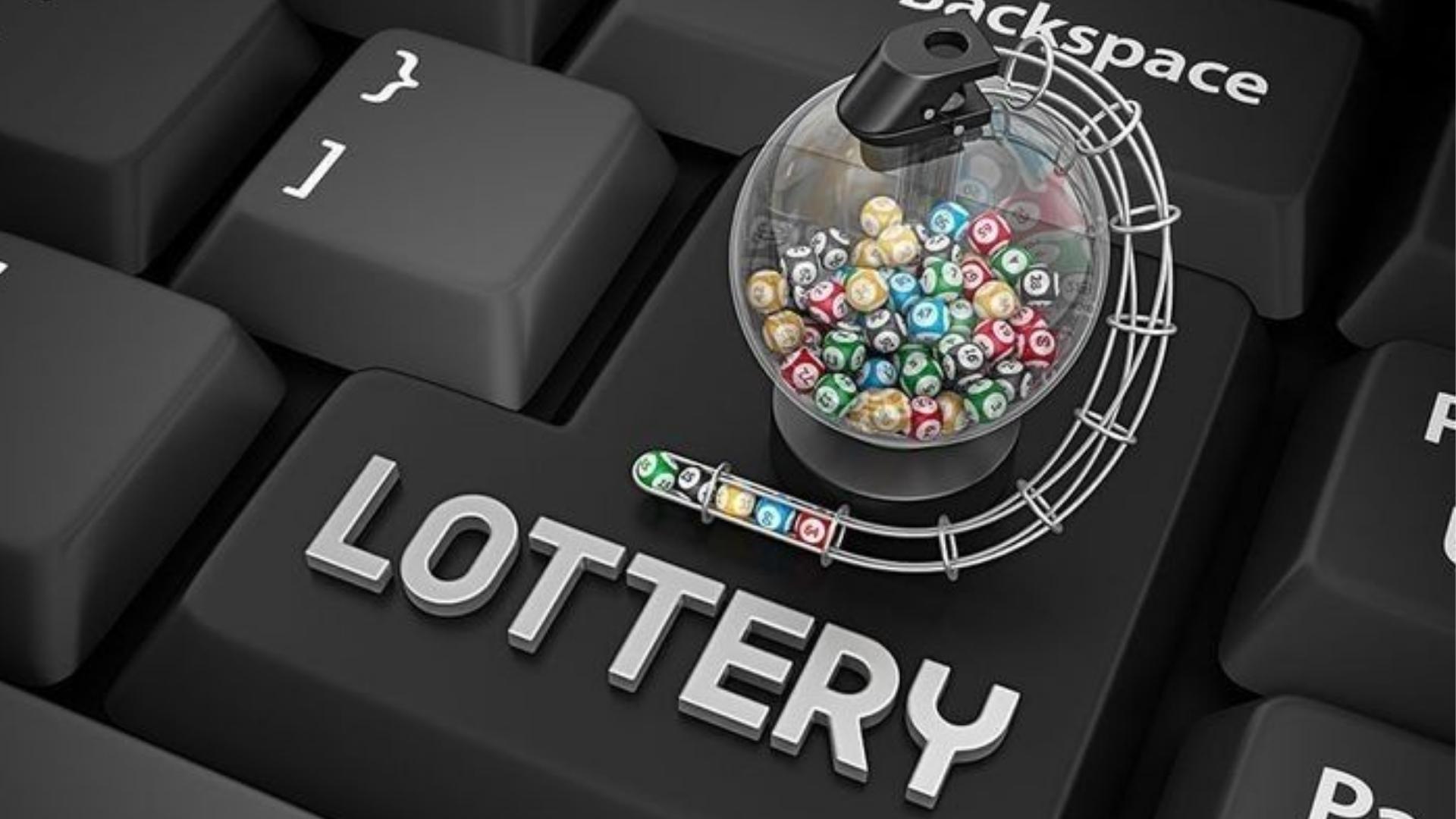
The modern digital landscape features an extensive array of interactive experiences, but those relying on unpredictable structures consistently capture widespread audience interest. Across gaming networks, corporate portals, and loyalty schemes, developers use distinct architectures to maintain user curiosity. This article analyzes how different ecosystems implement their systems to transform routine participation into memorable digital milestones.
The Psychology of Gamified Achievements in Mobile Apps
Mobile applications frequently leverage instant feedback loops to ensure users remain highly motivated over prolonged periods. By utilizing unexpected drops and custom point architectures, developers can easily break the monotony of standard linear progression. This dynamic framing ensures that even casual interactions provide immediate sensory satisfaction to the participant.
Furthermore, behavioral designers note that unpredictable schedules create a much stronger emotional connection than fixed systems. Users naturally build a sense of anticipation when the final outcome of a specific task remains hidden. This structural approach shifts the overall focus from mere transactional value back to genuine interaction.
How Online Entertainment Hubs Design Secure Access Systems
Digital environments that handle regular incentive distribution require robust infrastructure to protect user progress and balance community trust. Seamless navigation allows participants to claim their milestone perks without facing unnecessary technical friction or unexpected delays. For instance, platforms providing detailed options like the secure m88.com login interface give users immediate confidence while accessing their personalized accounts.
Establishing absolute technical transparency during these sessions ensures that every single member feels treated equitably. When individuals observe that data transmission and random generation protocols are completely verified, overall platform loyalty increases exponentially. Safe entry frameworks serve as the vital backbone for sustaining highly engaged digital communities over time.
Democratizing Rewards in Corporate Engagement Portals
Modern workplaces are rapidly adopting sophisticated gamification structures to optimize team productivity and elevate baseline motivation. Unlike traditional corporate bonus models that favor specialized skills, modern distribution setups create balanced opportunities for the entire staff. This accessible design ensures that everyday contributions are recognized through creative digital certificates or sudden perks.
When an ecosystem reduces friction and relies on accessible milestone metrics, workplace collaboration thrives organically. Employees enjoy sharing their achievements across internal communication channels, fostering a unique sense of camaraderie. This inclusive environment successfully transforms standard work routines into highly collaborative milestones.
The Growing Importance of Community-Driven Incentives
The evolution of software design has fundamentally shifted how contemporary audiences experience interactive milestones together. Modern consumers no longer want to play passively, actively seeking platforms where their participation influences collective outcomes. This shift has forced global brands to experiment with shared leaderboards and cooperative reward challenges.
When an unexpected community goal is unlocked, the shared excitement generates immense word-of-mouth momentum across social channels. Discussing potential milestones and celebrating group victories upgrades a solitary pastime into a deeply memorable social event. Ultimately, it is this delicate blend of personal surprise and social connection that guarantees long-term engagement.

The Social Customs That Once Surrounded European Baccarat ...
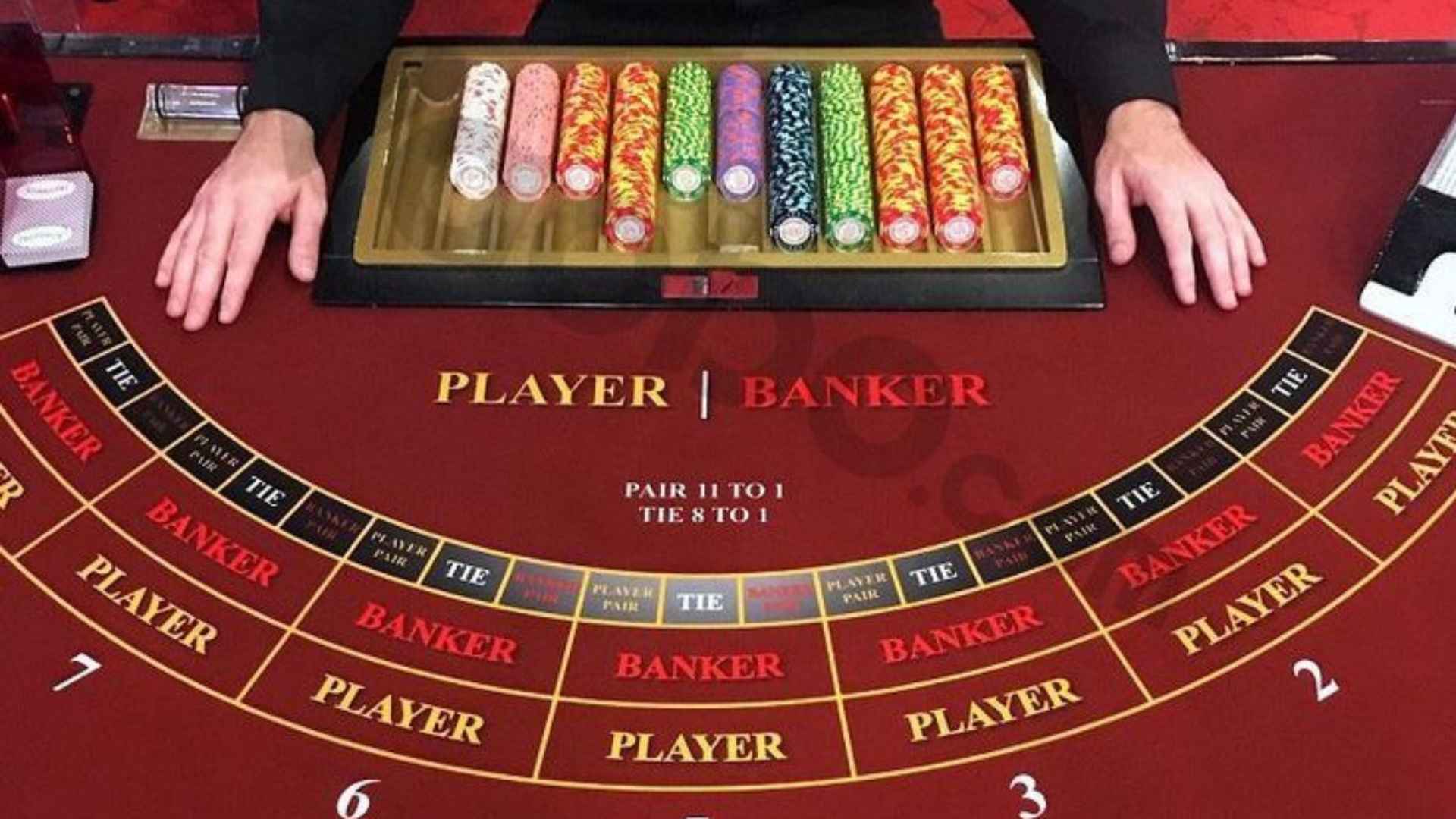
The elite salons of nineteenth-century Europe transformed simple card play into a highly structured social ritual. Long before modern establishments streamlined table layouts, classic baccarat served as a gathering point for high society to display wealth and decorum. Exploring these forgotten table customs provides valuable insight into how early community expectations shaped regional entertainment traditions.
The Etiquette of Private Gaming Salons
In traditional European venues, entering a baccarat room required strict adherence to unspoken dress codes and behavioral guidelines. Participants were expected to maintain absolute composure regardless of their financial outcomes at the table. This disciplined approach separated seasoned aristocrats from casual outsiders who visited the prominent resorts of the era.
Verbal communication during an active round was intentionally kept to a minimum to foster deep concentration. Players relied heavily on precise physical gestures and subtle eye contact to communicate their strategic intentions. This silent coordination created a distinct atmosphere where mutual respect and refined interactions governed the room.
The Rituals of Shared Table Responsibility
Unlike modern variants where players face an institutional house, traditional formats required individuals to assume the banking duties directly. Holding the bank was viewed as a prestigious status symbol that carried substantial financial liability and social influence. This mechanical structure kept the entire table actively engaged in assessing the reputation and choices of the individual running the round.
The physical handling of the cards also followed rigid rules designed to ensure absolute transparency among participants. Croupiers and bankers used specialized tools to glide cards across the felt, minimizing direct hand contact. Enthusiasts looking to explore the modern legacy of these intricate table dynamics can check an m88 link alternatif to find diverse options. This modern layout retains the core competitive tension while using automated platforms to manage the complex calculations instantly.
The Social Hierarchy of the Seated Layout
The architecture of classic European card tables featured an elaborate arrangement that dictated where participants sat based on status. Premium seats allowed players a broader view of the table actions and earlier access to critical game information. This strategic seating arrangement naturally created small subgroups within the larger gathering, influencing how players calculated risk.
Acting later in the sequence provided a distinct structural advantage by allowing individuals to study the choices of everyone else beforehand. This spatial awareness turned a game of chance into a subtle psychological battleground filled with observational tactical choices. These traditional table designs successfully balanced high financial stakes with rigorous societal expectations.
The Transition to Contemporary Environments
As gambling culture expanded globally, the traditional player-managed banking structures gradually shifted to centralized configurations. Modern layouts prioritized raw transaction speed and accessibility, which slowly replaced the intimate social rituals of early salons. While these modifications opened the game to a wider audience, studying historical customs highlights what made older formats unique.
Recognizing the historical progression from aristocratic private clubs to open digital platforms offers a deeper appreciation for modern variants. The mathematical tension of achieving specific card values remains completely unchanged over the centuries. This enduring mechanical balance ensures that the historical legacy of European card rooms continues to captivate players worldwide.
Why Players Become Attached To Certain Wheel Themes ...
Digital spinning wheels have evolved from plain decision tools into vibrant, custom-designed experiences that captivate players worldwide. The visual presentation of a wheel often dictates how deeply a user connects with the game mechanics. Understanding why certain visual themes foster strong emotional attachment reveals fascinating insights into modern player psychology.
The Psychology of Visual Comfort and Familiarity
Players naturally gravitate toward aesthetic styles that trigger feelings of nostalgia or personal interest. When a wheel features vibrant neon lights, classic fairground motifs, or sleek modern minimalism, it creates an immediate sense of comfort. This familiar visual language lowers cognitive resistance and makes the interaction feel more inviting.
Subconscious associations with favorite genres or past gaming experiences play a significant role in player retention. Themes that incorporate familiar colors or artistic styles help users feel instantly connected to the digital space. Over time, these visual cues transform a simple random generator into a trusted source of lighthearted entertainment.
How Audio-Visual Harmony Enhances Immersion
A well-crafted wheel theme is never just about static graphics; it relies heavily on synchronized sound effects and smooth animation. The rhythmic ticking sound as the pointer clicks past segments creates a multi-sensory feedback loop that heightens anticipation. When the visual presentation aligns seamlessly with these auditory cues, the overall player experience becomes deeply satisfying.
Dynamic visual effects during moments of victory also reinforce positive emotional responses. Unique winning animations tailored to a specific theme make every outcome feel like a celebrated event. Players often seek out platforms like link boss domino because thoughtful aesthetic integration significantly elevates overall engagement.
Personal Identity and Customization Preferences
Choosing a preferred wheel layout allows users to express their individuality within a digital interface. Whether a player prefers a festive holiday aesthetic or a futuristic sci-fi design, the choice reflects personal tastes and mood. Having the agency to select or unlock new themes gives users a subtle sense of ownership over their session.
This element of personalization transforms a routine spin into a tailored interactive highlight. As players spend more time interacting with their preferred aesthetic, their emotional bond with that specific theme grows stronger. Consequently, returning to the same interface feels like stepping back into a comfortable, familiar environment.
Building Lasting Habits Through Aesthetic Consistency
Consistent visual presentation helps establish routine and long-term brand loyalty among casual gamers. When a theme delivers a clear, uncluttered layout alongside appealing artwork, users are far more likely to return. This combination of usability and artistic flair creates a reliable atmosphere that players look forward to experiencing.
Ultimately, visual attachment goes far beyond surface-level decoration. It bridges the gap between basic probabilistic software and genuinely memorable digital recreation. By prioritizing creative presentation, game designers ensure that simple spinning mechanics remain endlessly compelling.
How To Play Chrono Trigger ...
Chrono Trigger stands as a monumental masterpiece in the world of role-playing games, captivating players for decades with its innovative storytelling and remarkable design. Diving into this classic adventure requires an understanding of its unique mechanics, which seamlessly blend traditional turn-based combat with fluid movement. Whether you are experiencing the story for the first time or returning for a nostalgic journey, mastering the foundational systems will elevate your gameplay experience.
Mastering the Active Time Battle System
Unlike traditional role-playing games that pause completely during combat, this title utilizes a dynamic variation of the Active Time Battle system. Characters and enemies act based on individual speed gauges that fill up in real time during an encounter. You must monitor these bars carefully to execute commands efficiently and prevent enemies from overwhelming your party with rapid attacks.
Positioning on the battlefield plays a crucial role since combat takes place directly on the environmental exploration screen rather than transitioning to a separate arena. Many special abilities and magical spells feature specific areas of effect that can damage multiple targets grouped close together. Waiting a few moments for roaming monsters to line up can drastically increase the efficiency of your offensive techniques.
Utilizing Techs and Dual Combinations
As your party members gain experience and win battles, they unlock unique specialized abilities known as Techs. These skills consume Tech Points and provide powerful elemental magic, physical strikes, or vital healing support. Experimenting with different party compositions allows you to discover how individual abilities complement each other during tough boss encounters.
The true depth of the combat system emerges when multiple characters combine their energy to unleash devastating Tech combinations. When two or three characters have full action gauges, they can coordinate to perform simultaneous cinematic maneuvers that deal massive damage. Finding the right balance between single attacks and group combinations is essential for surviving the dangerous eras you will explore.
Navigating the Timelines and Multiple Endings
The core narrative revolves around traveling through diverse eras ranging from the prehistoric past to a distant apocalyptic future. Navigating the overworld map effectively requires you to identify mysterious temporal gates that bridge these vastly different centuries together. Actions performed in an earlier era frequently cause noticeable changes to the landscape and hidden treasures found in the future.
This innovative approach to environmental storytelling rewards thorough exploration and critical thinking across every timeline. The game features a groundbreaking selection of alternative conclusions that depend entirely on when and how you choose to confront the final boss. Keeping multiple save files active will ensure that you can experience the full narrative spectrum without restarting your entire adventure from the beginning.

How Randomness Challenges Human Emotional Control ...
Human psychology is naturally wired to seek patterns, order, and predictability in everyday life. When unexpected events disrupt calculated expectations, the mind often struggles to maintain internal stability and analytical focus. Understanding how randomness challenges human emotional control provides crucial insights into improving decision-making under uncertainty.
The Brain Search for Order
Cognitive science demonstrates that the human brain operates as an advanced prediction engine. When confronted with purely unpredictable outcomes, individuals often experience cognitive dissonance and subtle stress responses. This fundamental instinct to find meaning where none exists frequently leads to misinformed choices.
In high-stakes environments where uncertainty governs outcomes, maintaining mental discipline becomes paramount. Many individuals practicing strategic patience in digital spaces utilize secure portals such as m88 asia login to experience dynamic scenarios firsthand. Observing unpredictable patterns helps individuals build cognitive resilience against emotional knee-jerk reactions.
Emotional Reactions to Short-Term Variance
Short-term statistical variance frequently triggers intense emotional swings, including frustration, overconfidence, or unnecessary anxiety. When people confuse short-term luck with sustainable skill, their long-term judgment suffers significantly. Recognizing variance as a normal statistical function prevents emotional instability during sudden downturns.
Developing emotional control requires decoupling immediate personal feelings from the objective quality of a choice. A well-calculated decision remains correct even if an unpredictable factor yields an unfavorable result. Over time, accepting this reality fosters psychological endurance and consistency.
Overcoming Cognitive Biases in Unpredictable Settings
Uncertainty frequently exposes deep-seated cognitive biases, such as the illusion of control and outcome bias. People often believe they can influence purely random events through personal rituals or arbitrary routines. Overcoming these biases requires rigorous self-awareness and continuous mental calibration.
By actively identifying irrational thinking patterns, individuals can cultivate a deliberate, logic-driven framework for evaluating risk. Embracing structured probability models replaces emotional speculation with sound analytical reasoning. This shift allows decision-makers to remain composed regardless of external volatility.
Building Resilience Against the Unknown
Cultivating emotional composure in the face of complete randomness is a continuous skill developed through practice and self-reflection. Establishing strict boundaries and focus routines mitigates the mental fatigue caused by unexpected disruptions. Resilience ultimately transforms uncertainty from a source of stress into an accepted parameter of life.
Ultimately, mastering emotional regulation enables individuals to navigate unpredictable situations with calm confidence and logical clarity. By prioritizing long-term strategy over short-term impulses, one can achieve lasting mental balance. Accepting randomness as an inherent constant remains the cornerstone of sound judgment.

Why Wont My Steam Deck Turn On ...
Experiencing a sudden blackout on your Steam Deck can be an incredibly frustrating roadblock for any gaming enthusiast. When your favorite handheld console abruptly refuses to respond, it is vital to determine whether the issue stems from hardware failure or a minor software glitch. Understanding the common technical triggers behind an unresponsive unit will save you time and point you toward the most reliable troubleshooting solutions available.
Investigating Battery Exhaustion and Charger Errors
The most frequent cause behind an uncooperative handheld device is a completely drained battery system. If you left the console idle for an extended period, the internal charge might drop well below standard baseline thresholds. Connecting your hardware to the official power adapter for at least thirty minutes often initiates the necessary electrical recovery sequence.
Defective accessories or compromised cables can also disrupt the necessary power transmission required to wake up the system files. Inspect your physical USB-C port carefully for compressed debris or visible structural damage that might prevent a clean power flow. Utilizing an alternative high-wattage charging accessory can help isolate whether the primary brick is malfunctioning.
Addressing Software Glitches and System Freezes
Sometimes the underlying internal operating framework becomes completely non-responsive while attempting to enter a sleep cycle. When this deep system freeze occurs, the display panel remains entirely black even though components might give slight haptic feedback. Forcing a manual reset clears the active memory buffer and allows the core motherboard architecture to restart normally.
To execute a hard reboot sequence, hold down the physical power button continuously for a full twenty seconds. This prolonged actuation cuts internal power loops and forces the gaming software to clear its current state configuration. Release the button completely before pressing it normally once more to see if the classic boot chime plays.
Resolving Display Issues and BIOS Anomalies
A particularly deceptive hardware scenario involves an operational console with a completely darkened touch screen layer. In this situation, the machine will emit audible fan noises and light signals while the main display panel remains dark. This specific glitch often signals a misconfigured graphics pipeline or an interrupted firmware update cycle.
Connecting the handheld device to an external television or computer monitor via a compatible dock can bypass the integrated display panel instantly. If the game library interface appears smoothly on the secondary screen, your handheld requires an internal calibration reset. Initiating a specialized button combination can trigger a hardware level restart to resolve localized screen bugs.
Utilizing Specialized Hardware Recovery Methods
When standard power cycles fail to produce a responsive interface, accessing advanced recovery features remains your most reliable option. The built-in storage mode option allows users to safely disconnect the battery connection using modular button combinations. To start this process, hold down the volume up button alongside the power key to open the utility screen.
If the device remains stubborn after multiple attempts, reaching out to official support channels becomes the necessary final progression step. Persistent technical failures might require structural repair assessments or full component replacements under active warranty conditions. Documenting your troubleshooting steps ensures a much faster evaluation process during your formal assistance request.

Bridge Games And The Power Of Careful Calculation ...
Bridge is often described as a game of skill, strategy, and subtle communication, but at its very core lies the art of precise mathematical assessment. Success at the table requires players to continually evaluate odds, count missing cards, and calculate suit distributions under pressure. By mastering these analytical elements, competitors transform raw probability into a decisive competitive advantage.
The Mathematical Foundations of Every Hand
Every trick played in a game of bridge provides valuable clues about how the remaining cards are distributed among the four players. Expert card players do not rely on guesswork; instead, they compute probabilities based on initial bidding sequences and early leads. This constant mental tally allows them to construct an accurate picture of hidden hands before making critical moves.
Understanding basic card distribution odds helps declarers and defenders choose lines of play with the highest statistical chance of success. For instance, knowing whether an opponent's suit is likely split three-two or four-one determines whether to finesse or drop high cards. Accurate calculation turns uncertain situations into manageable risk assessments.
Counting Suits and Tracking High Cards
A fundamental habit of disciplined bridge players is keeping a meticulous count of every suit played throughout the match. By tracking missing honors and remaining spot cards, players can anticipate defensive threats and protect vital entries. This level of focus ensures that high-value cards are never wasted needlessly during critical tricks.
Developing strong memory and counting skills takes practice, but the rewards are immediate and substantial during intense competition. Players who wish to test their focus across various strategic games often complete an m88 app download to access engaging mobile card challenges on the go. Over time, consistent practice sharpens numerical intuition and improves overall table performance.
Evaluating Risk Versus Reward in Bidding
Careful calculation extends far beyond the play of the cards and begins during the auction stage. Bidding requires partners to systematically evaluate combined point totals, suit length, and potential trick counts to reach the optimal contract. Underestimating or overestimating joint holdings can easily lead to costly penalties or missed game bonuses.
Effective bidding systems use precise point-counting rules to translate subjective hand strength into objective information. Players must balance the pursuit of high-scoring contracts with the risk of going down when distribution is unfavorable. Calculating these trade-offs calmly under pressure separates novice players from seasoned strategists.
Improving Decision Making Through Post-Game Analysis
The journey toward mastering calculation in bridge does not end when the final trick is gathered. Reviewing hand records after a session offers valuable insights into whether chosen lines of play were mathematically sound. Comparing real outcomes against optimal double-dummy analysis builds long-term tactical awareness.
By treating every mistake as a data point, players refine their decision-making process for future matches. Embracing systematic analysis fosters patience, logical thinking, and emotional resilience at the card table. Ultimately, dedication to careful calculation is what elevates bridge from a simple hobby into a lifelong intellectual pursuit.
Semua artikel sudah ditampilkan.